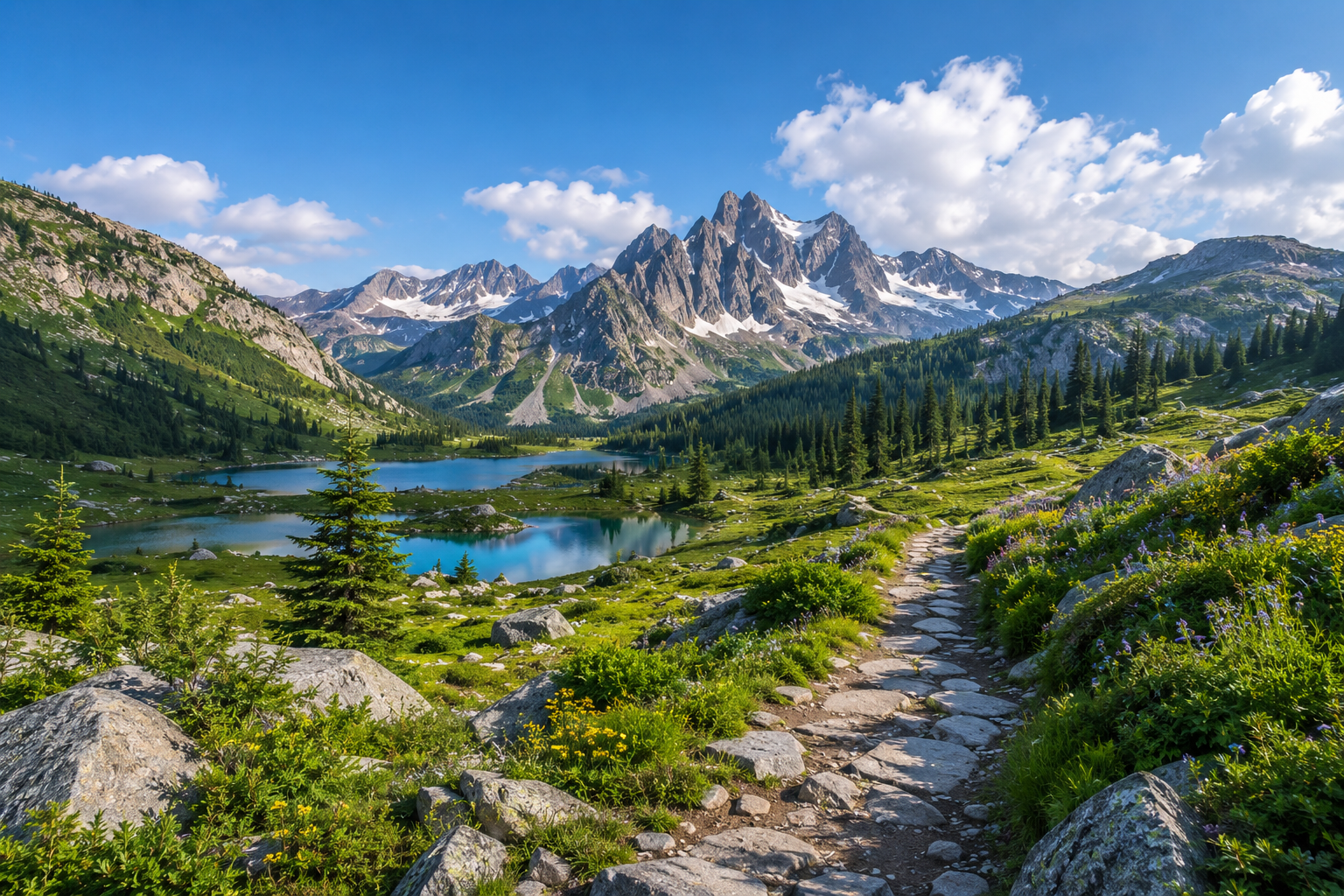
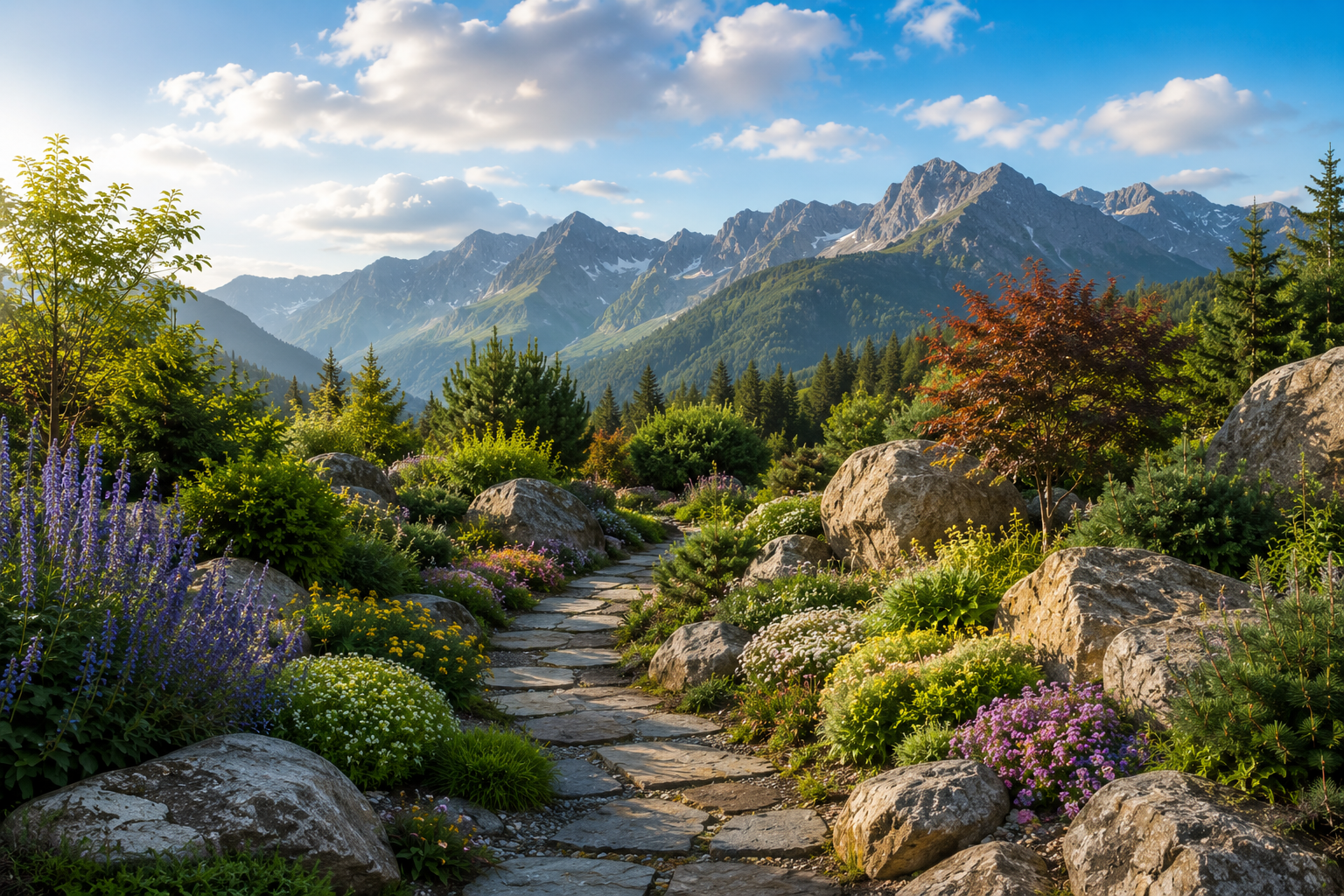
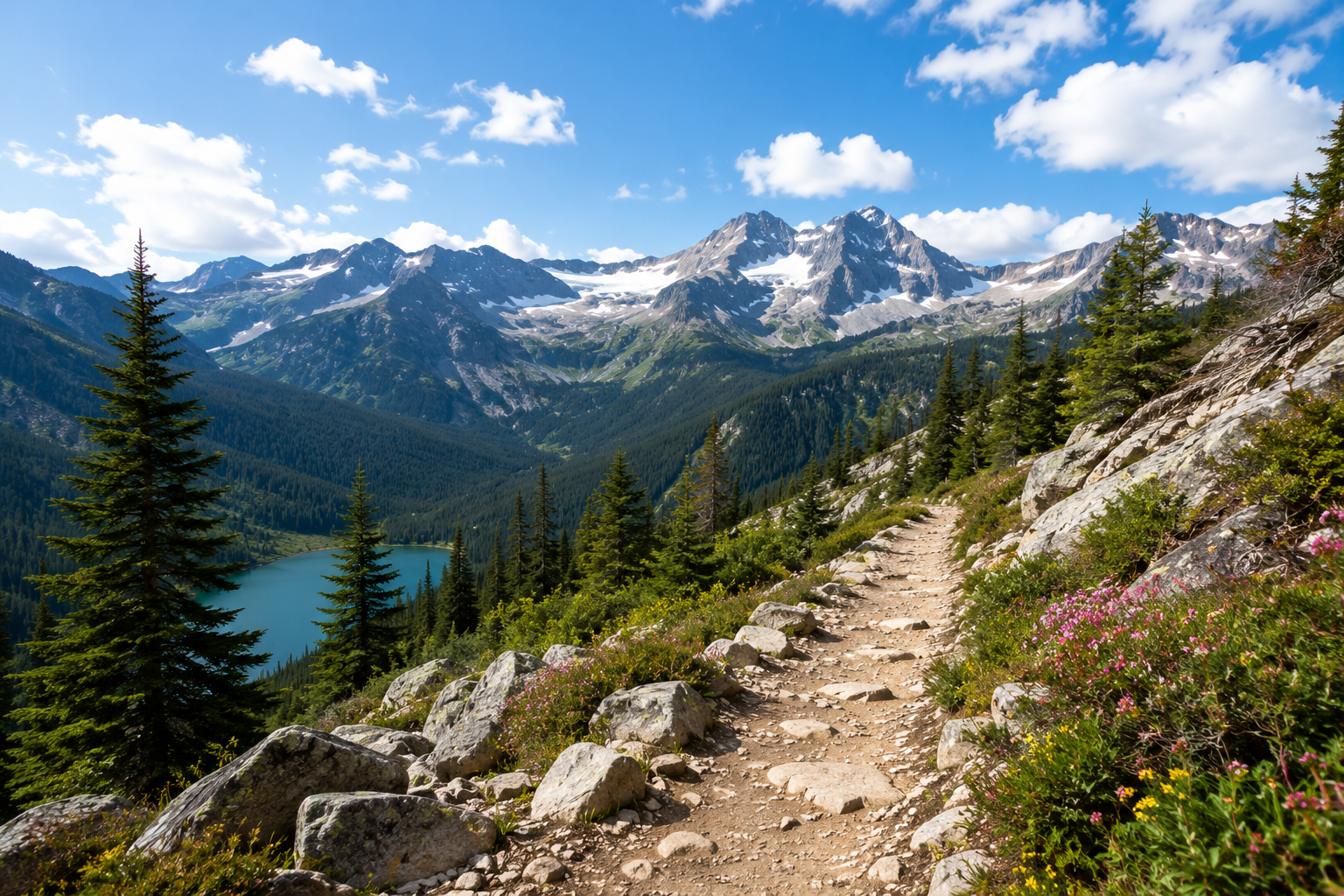
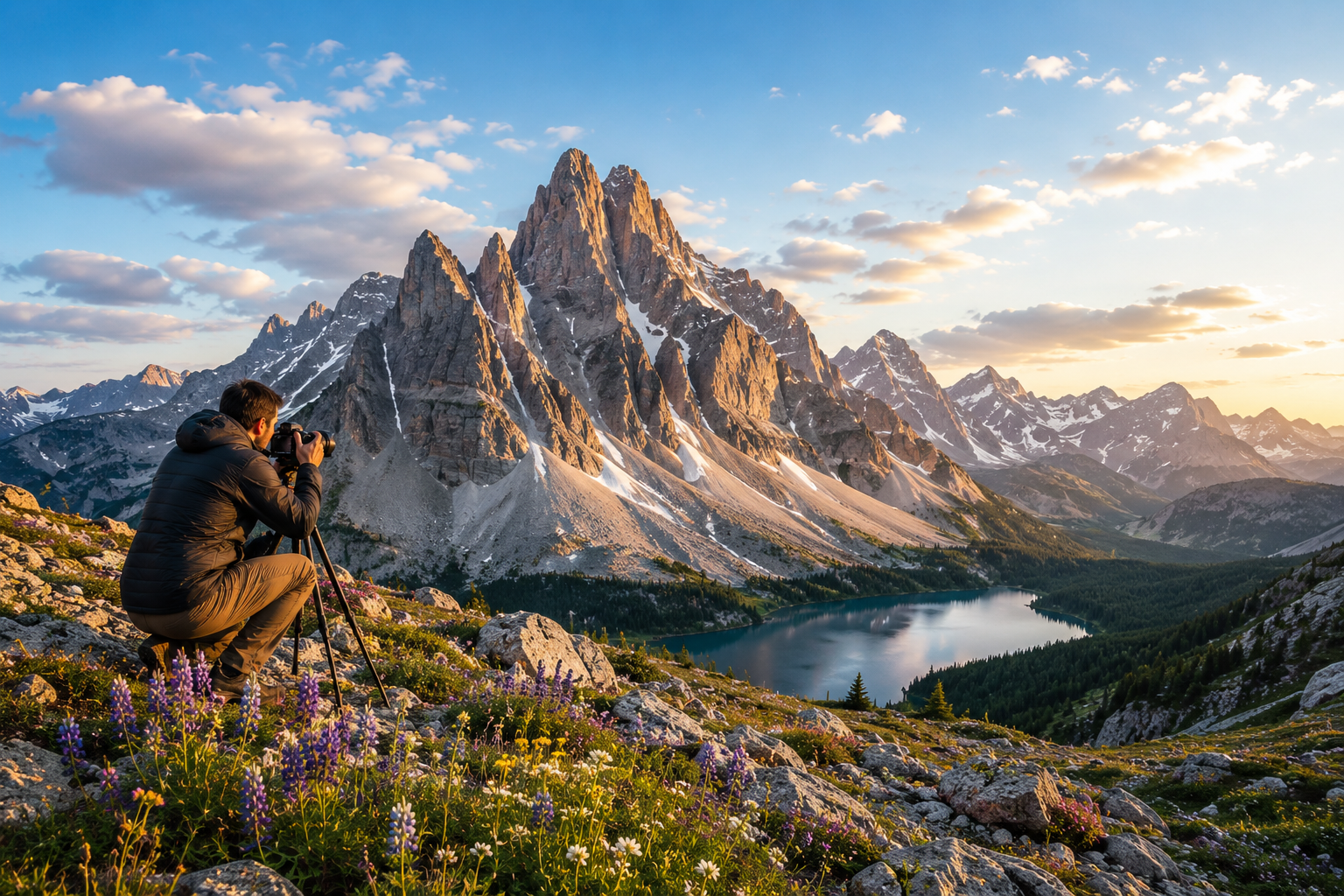
Mountains are the most beautiful parts of nature. A rocky tracks, green hills, tall trees, open atmospheres, and the peaceful views make them much perfect for photography, outdoor designs, and nature blogging. A mountain scene can feel peaceful, controlling, and also fresh at the same time.
Natural Mountain landscaping understands about creating outdoor spaces that looks closer to real mountain nature. It includes stones, natural plants, gravel tracks, hills, wooden details, wildflowers, and natural textures. This style is also be helpful for beginners, who want to enjoy mountain beauty, take better photos, or design a peaceful outdoor space.
In this guide, you will learn simple mountain landscaping ideas, photography tips, lighting advice, camera settings, garden inspiration, and common blunders to avoid.
What Is the Natural Mountain Landscaping?
Natural Mountain landscaping is a nature-inspired unique style that used in natural elements to create outdoor spaces that looks calm, stable, and realistic. Instead of using many artificial decorations, this style focuses on rocks, soil, natural plants, wood, stones, hills, and water landscapes.
A natural mountain scene don’t need to look perfect. Rough stones, curved tracks, wild plants, and soft hills regularly make the view more perfect and beautiful. These small natural ideas create a peaceful outdoor environment.
This style can be used in home gardens, natural blogs, mountain photography, landscape design ideas, and outdoor spaces where people want a natural and comforting look.
Why Mountain Landscapes Looking Beautiful?
People enjoy nature with mountains because mountain visions feel exposed, fresh, and peaceful. A good mountain scene has also many layers, such as trees in the front, hills in the middle, and peaks in the background. These layers create complexity and make the view more eye-catching.
A natural mountain area may include rocks, natural trails, scenic flowers, high trees, dark clouds, and changing sunlight. These features also help photographers to capture strong images and help garden lovers to understand how can nature creates balance in sight.
Places like Turkey Mountain Nature Preserve Area and Black Mountain Natural Area can also give motivation for natural trails, rocky textures, plants, and outdoor scenery. These types of places show that how natural spaces looks beautiful without being overdesigned.
Simple Natural Mountain Landscaping Concepts
If you want to create a mountain-inspired outdoor space, start with simple elements. You do not need a large garden or luxurious materials. A natural look is usually better when it feels much simple balanced and average.
Use natural stones to create boundaries, small walls, or path edges. Add some stony paths to make these spaces look very clean but also still natural. Also pick native plants because they frequently grow better and need less care. Small flowers, mountain grass, and wildflowers can help create a soft mountain-style look.
Wooden benches, small bridges, or simple boundaries can add warmness to the space. A small water feature also make the area looks more peaceful. The goal is to make everything looks connected to nature, not overly designed.
Mountain Photography Tips for Beginners
Natural mountain photography is not only about taking a picture of a beautiful sight. You must need good light, clear framing, and a resilient subject. A simple photo also look professional when the alignment is clean and the scene has depth.
Use Foreground Elements
Add scenic flowers, big grass, a trail, or a water stream in the front side of your photo. This makes the image look deeper and more professional. A strong foreground may also help viewers to feel like that they standing inside the scene.
Follow Natural Lines
Tracks, rivers, boundaries, shadows, and tree lines guide the viewer’s eye through the image. If a path leads toward the mountain area, place it in the lower part of your frame. This makes a photo look natural and easy to follow it.
Capture Small Details
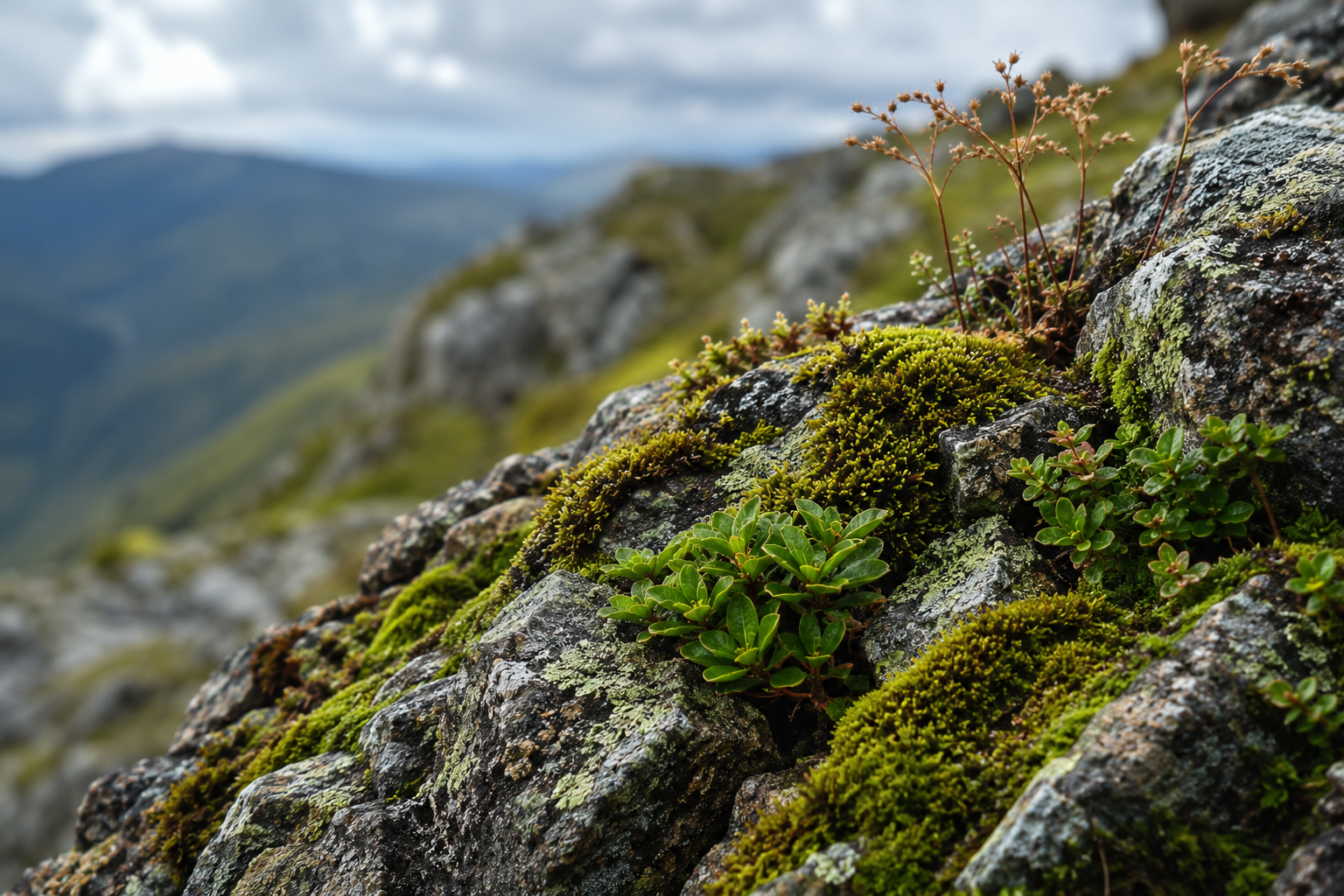
Don’t take only wide mountain photos. Small details are very important. Capture moss, big leaves, bark, wildflowers, natural water drops, and stone textures. These images are useful for blog posts because they add many variety and make this article more visually motivating.
Best Lighting Tips for Mountain Photography
Light can fully change the mood of a mountain images. Morning and late afternoon are usually the best times for naturally photography. The light is soft, warm, and mild, which makes rocks, plants, and trees looks more natural.
Overcast weather is also useful because it reduces strict shadows and keep these colors balanced. This is helpful for garden photography, forest trails, and close-up nature shots. Soft light also make green plants, stones, and wooden details appear clearer and better.Many people also search for calming forest wallpaper ideas for desktop and mobile backgrounds.
Try to avoid strong midday sunlight when it’s possible. It also makes atmospheres too bright and shadows too dark to view capture. If you must take photos during midday, look for shaded areas or use trees and rocks to create natural shadow patterns.
Best Camera Settings for Better Photos
You don’t need any expensive kit to shoot good mountain pictures. A smartphone also work well if your focus still on the light, framing, and good reliability. However, if you use a DSLR or mirrorless camera, these basic settings can help you more.
For wide mountain views, much use aperture between f/8 and f/11. This keeps most of the landscape soft. Keep the ISO low, such as ISO 100 or 200, when there is enough for light.
For close-up shots of flowers, green leaves, or rocks, use a wider aperture such as f/2.8 to f/5.6. This can also blur the background and make this subject stand out.
For moving water, use a slower shutter speed with a tripod. This can make streams look charming and peaceful. For handheld photos, keep the shutter speed fast enough to avoid blueness.
Garden Photography Ideas Inspired by Mountains
A small garden also look mountain-inspired. Use natural stones, gravel paths, native plants, wooden textures, and simple pathways to Keep the design clean and avoid from too many decorations.
For garden photos, shoot from a low angle. This makes stones, nature plants, and paths look fit. Natural gardens feel more peaceful with creative stone waterfall photography inspiration. You can also place flowers near rocks to create best contrast for photography.
Soft morning view or evening light is best for garden photography. It brings out the touch of leaves, stones, soil, and wooden features. For a blog about natural mountain landscaping, must include garden photos, wide views, close-up textures, and mountain trail images to give readers a complete & good visual experience.
Work Advice for Blog Images
Good alignment makes your blog images look more attractive and useful. Before taking a photo, also think about where it will appear in the article. A featured image may need to open space for text, while a section image should clearly support the topic.
Use the rule of thirds by placing the main subject a little away from the center. This frequently looks more natural than placing everything in the middle. You can also use some leading lines, such as paths or rivers, to guide the viewer’s attention.
Keep images clean and avoid to use too many distracting objects. Simple, clear, and natural photos also usually perform better for reader experience and SEO. A clean image may helps visitors understand the topic quickly.
Questions aboutÂ
1. What is Natural Mountain landscaping?
Natural Mountain landscaping is nature-inspired style that use rocks, native green plants, hills, gravel paths, wooden details, and charming natural textures. It helps to make outdoor spaces feel calm, balanced, realistic, and close to real mountain environments without looking overly artificial.
2. Can beginners take good mountain photos?
Yes, beginners also shoot good mountain photos by using good alignment tools in soft nature light, in clear framing, and simple photo position. Adding rocks, flowers, tracks, or trees in the foreground also make these photos look deeper to look, more natural, and more professional for blogs or personal use.
3. What camera settings are best for mountain photography?
For wide mountain photography views, also use f/8 to f/11 with low ISO, such as ISO 100 or 200. For photograph nature mountain details, use f/2.8 to f/5.6. A support may helpful for you in low light, moving mountains water, and taking sharper landscape photos.
4. How can I make a small garden look mountain-inspired?
Use garden natural stones, stony paths, native plants, small flowers, and wooden features. Keep the design simple and balanced. Even a small garden can feel mountain-inspired when natural textures, soft plant arrangements, and curved paths must use properly in capturing.
5. Why is lighting important in mountain photography?
Lighting affects the photography color, mood, and depth of a photo. Morning and evening light makes mountain scenes look gorgeous, soft, warm, and natural. Harsh midday light can create strong shadows, washed-out atmospheres, and less attractive nature images.
Conclusion
Mountain landscapes are peaceful, looking gorgeous, and full of natural inspiration.
With simple mountain landscaping ideas, photography tips, and proper lighting, beginners can enjoy mountain beauty more easily.
Keep your blog content natural with mountain ideas, helpful, and also reader-friendly for better SEO quality.