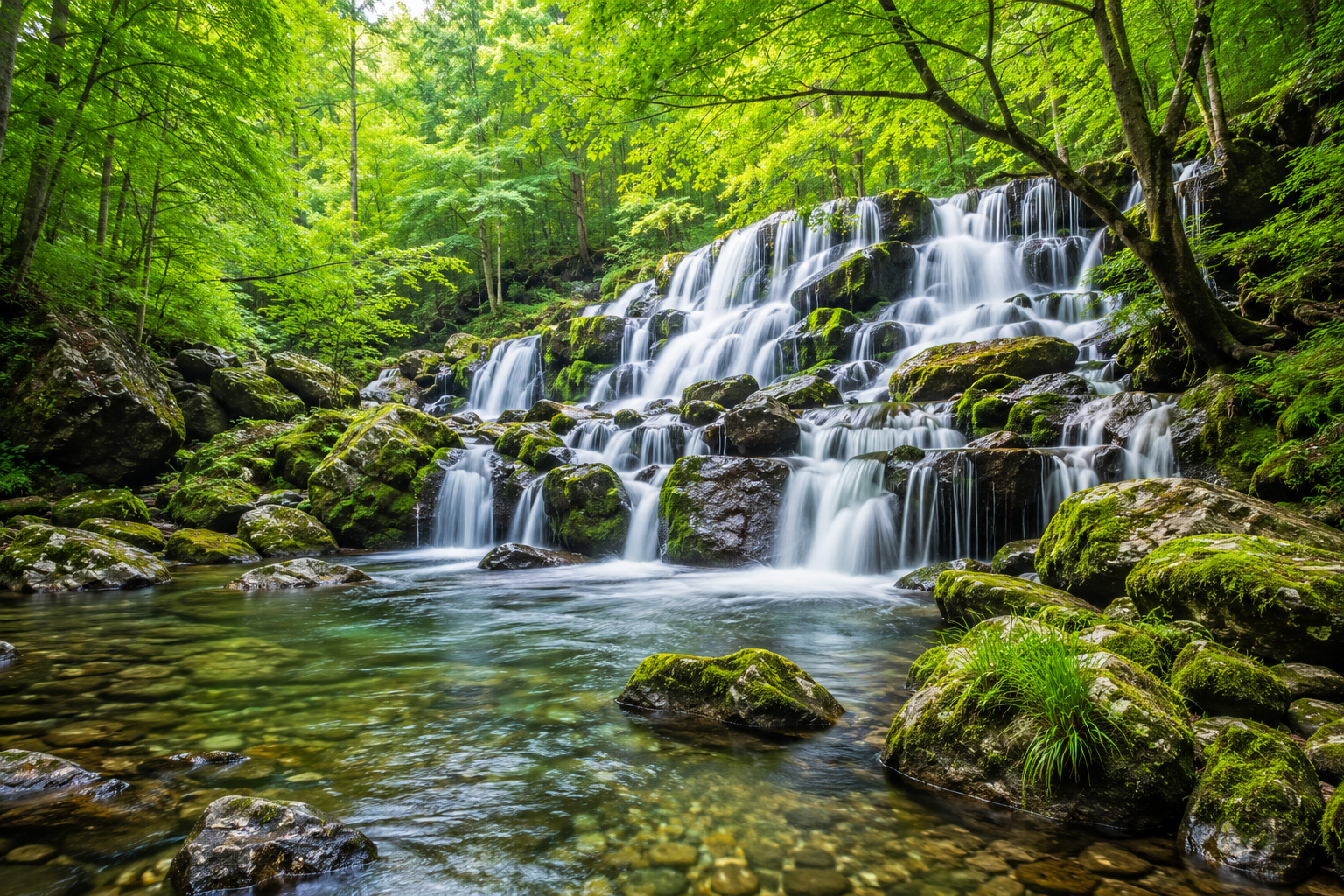
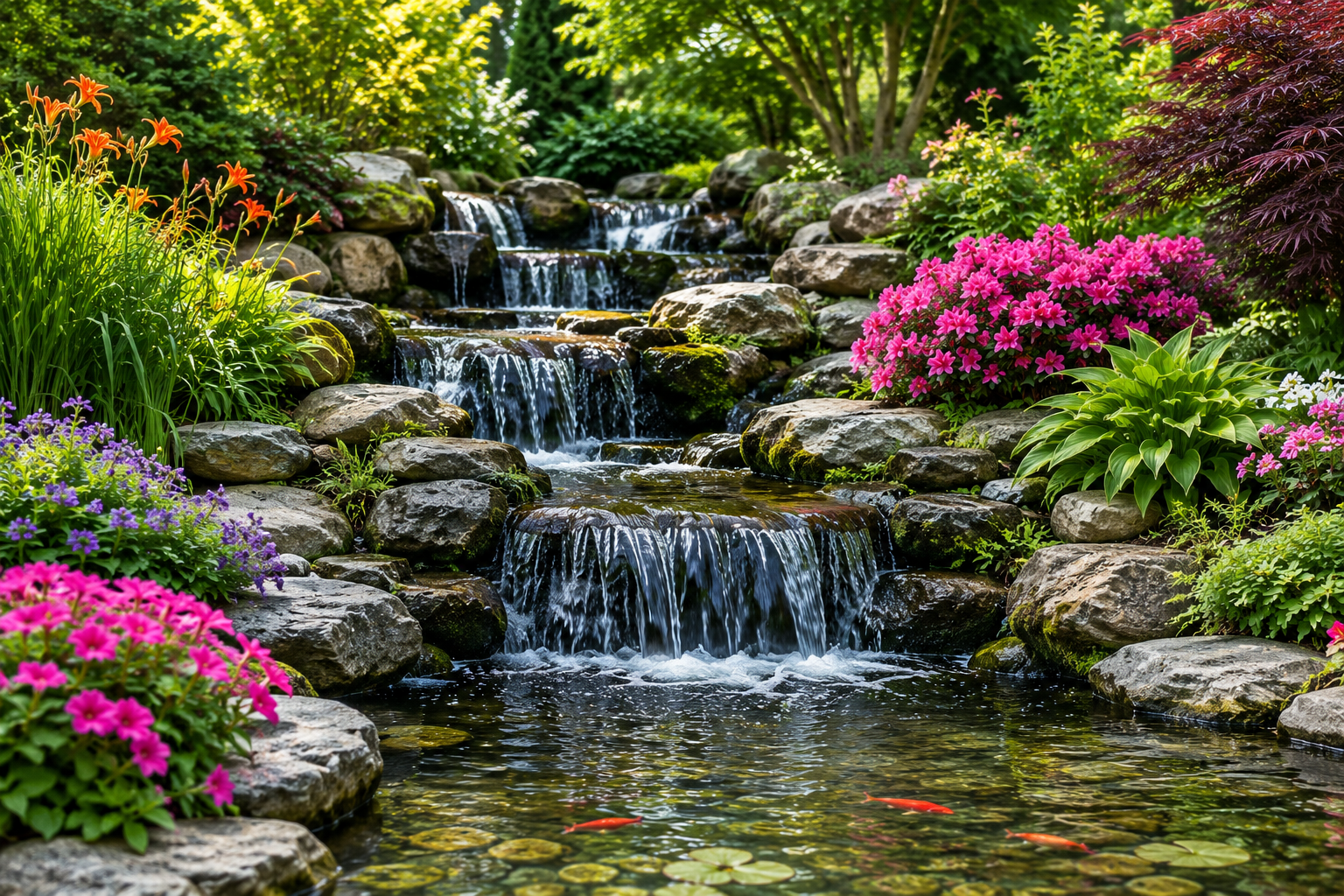
Nature has a special way to help us people feeling peaceful, relaxed, and inspired. Among calm outdoor scenes, water mildly flows over the rocks, is one of the most soothing sights. A natural stone waterfall can transform a simple landscape into a beautiful and serene place, whether it nestles in a forest, graces a mountain area, enhances a public garden, or enriches a backyard design.
For photographers, bloggers, gardening lovers, and beginners, waterfalls offer many creative occasions. Many nature lovers also enjoy using peaceful forest nature wallpapers for relaxing desktop backgrounds. This information shares practical photography tips, garden ideas, camera settings, configuration advice, lighting suggestions, and common mistakes to avoid.
Why Waterfalls Are Popular in Nature Photography
Waterfalls are attractive because they hold combined movement and quietness. Water keeps it flowing, while rocks, trees, and plants stay steady around it. This balance can also creates a strong visual effect and makes waterfall photography useful for beginners and for experienced photographers.
A natural stone waterfall adds complexity in image. Rough stones, moss, leaves, and water sign also make a simple photo look rich and complete. This is why waterfall images are often used in nature blogs, in travel posts, wall art, and natural waterfall wallpaper designs.
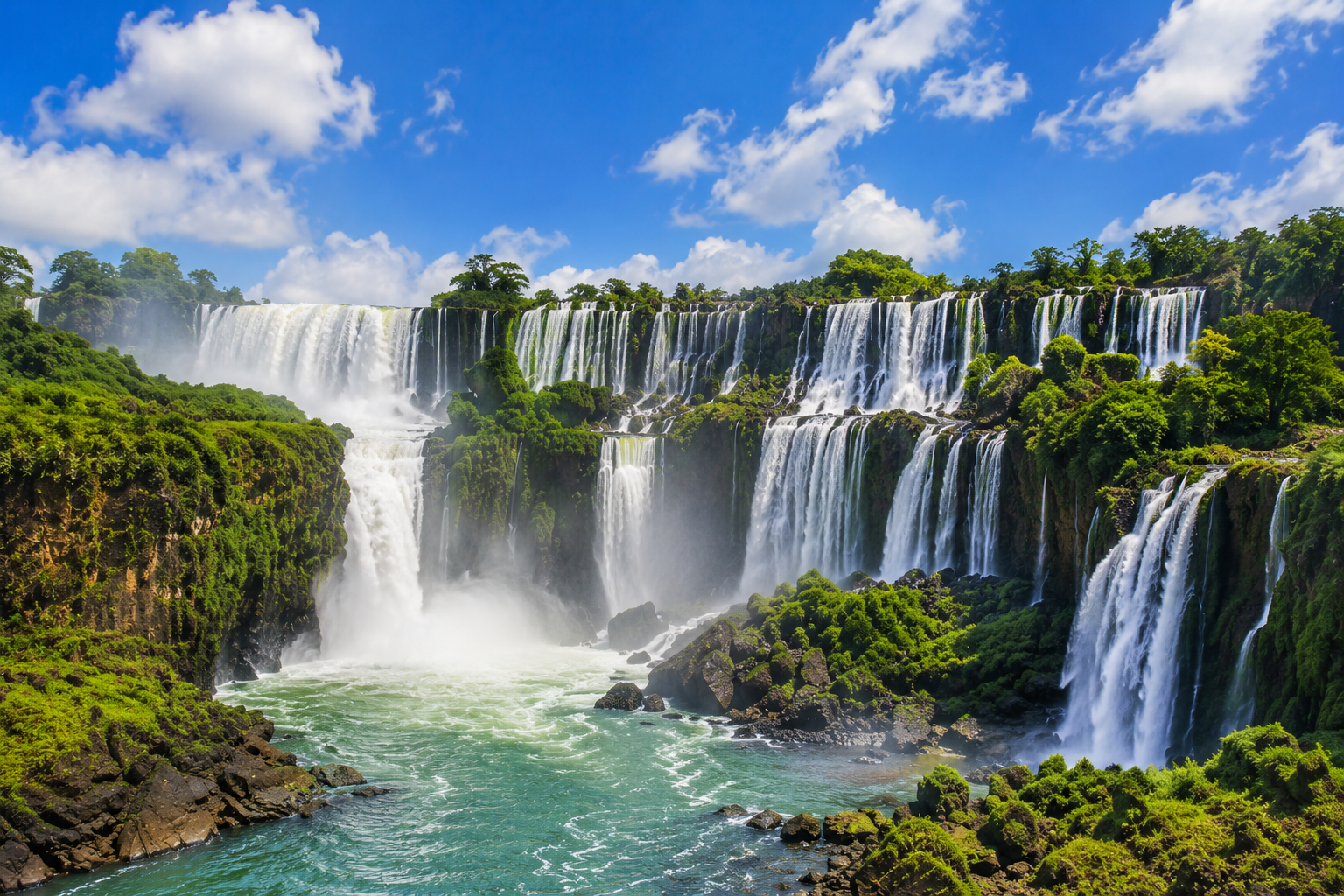
Waterfalls can also tell a level. A small torrent over rocks may show peace, while a tall waterfall show power and energy. With the right position and light, even a small garden act can become what many readers call the most beautiful picture of nature.
The Beauty ideas of a Natural Pool Waterfall
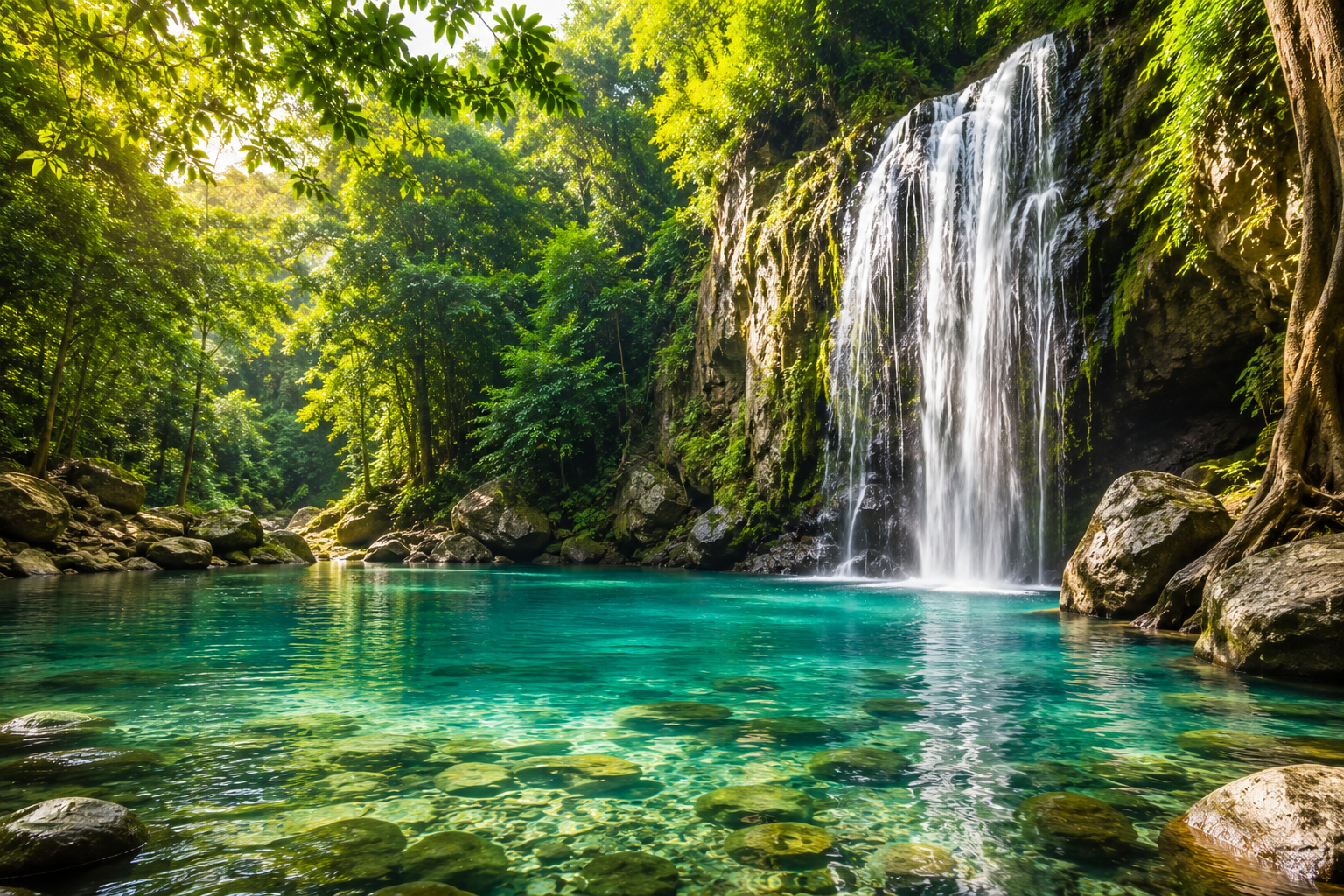
A natural pool waterfall gives you two beautiful ideas in one scene: dropping water and calm water. The falling water adds movement, while the pool reflects trees, rocks, sky, and light. This arrangement makes the photo feel passive and complete.
When photographing these scenes, place the waterfall a little to one side instead of directly in the center. Add stones, leaves, or plants in the foreground to create the depth and a more natural border.
Best Time for Photographing Waterfalls
Good striking completely change the quality of your waterfall photo. Early morning and late afternoon are usually the best times for shooting because the light is soft, shadows are gentle, and colors look natural.
Gloomy days are also useful because clouds work like a natural soft box. They reduce strict highlights on the water and helps us to show details in rocks, plants, and flowing water.
Avoid strong midday sunlight when possible. Bright sun can make water look too white and create dark shadows around rocks. For a natural stone waterfall, soft side light works especially well because it highlights stone quality.
Camera Settings for Better Waterfall Photos
You don’t need luxurious tools to shoot good waterfall photos. A phone, DSLR, or mirror less camera work well if you use the accurate settings and keep your camera steady.
For Soft and Silky Water
Use a slow shutter speed, such as 1/4 second to 2 seconds. This also creates a smooth water effect. A tripod is also helpful because slow shutter speeds can cause blurness if the camera moves. Keep ISO low, such as ISO 100 or 200.
For Sharp Water Movement
Use a faster shutter speed, such as 1/250 second or higher.it checks water drops and shows more detail. This setting is better for your movement, whenever you want the photo to look natural, fresh, and animated.
Camera setting example for beginners
Use opening priority mode with f/8 to f/11 for soft landscape results. Keep ISO low and use a tripod in low light. If you are using a phone, clean the lens, tap to focus, and use long coverage mode if available.
Alignment Tips for Nature Waterfall Photography
Alignment means arranging different features used inside your photo. Also Use the principal lines such as streams, rocks, paths, or wooden bridges for photography to guide the viewer’s eye toward the waterfall.
Add foreground objects like stones, small leaves, scenic flowers, or natural plants to create density. Vertical framing works well for tall waterfalls, while using horizontal framing is better for wide landscapes. If you want to shoot a clean image for a waterfall wallpaper 4k design, keep the frame balanced and free from diversions.
Garden Photography Ideas with Water Features
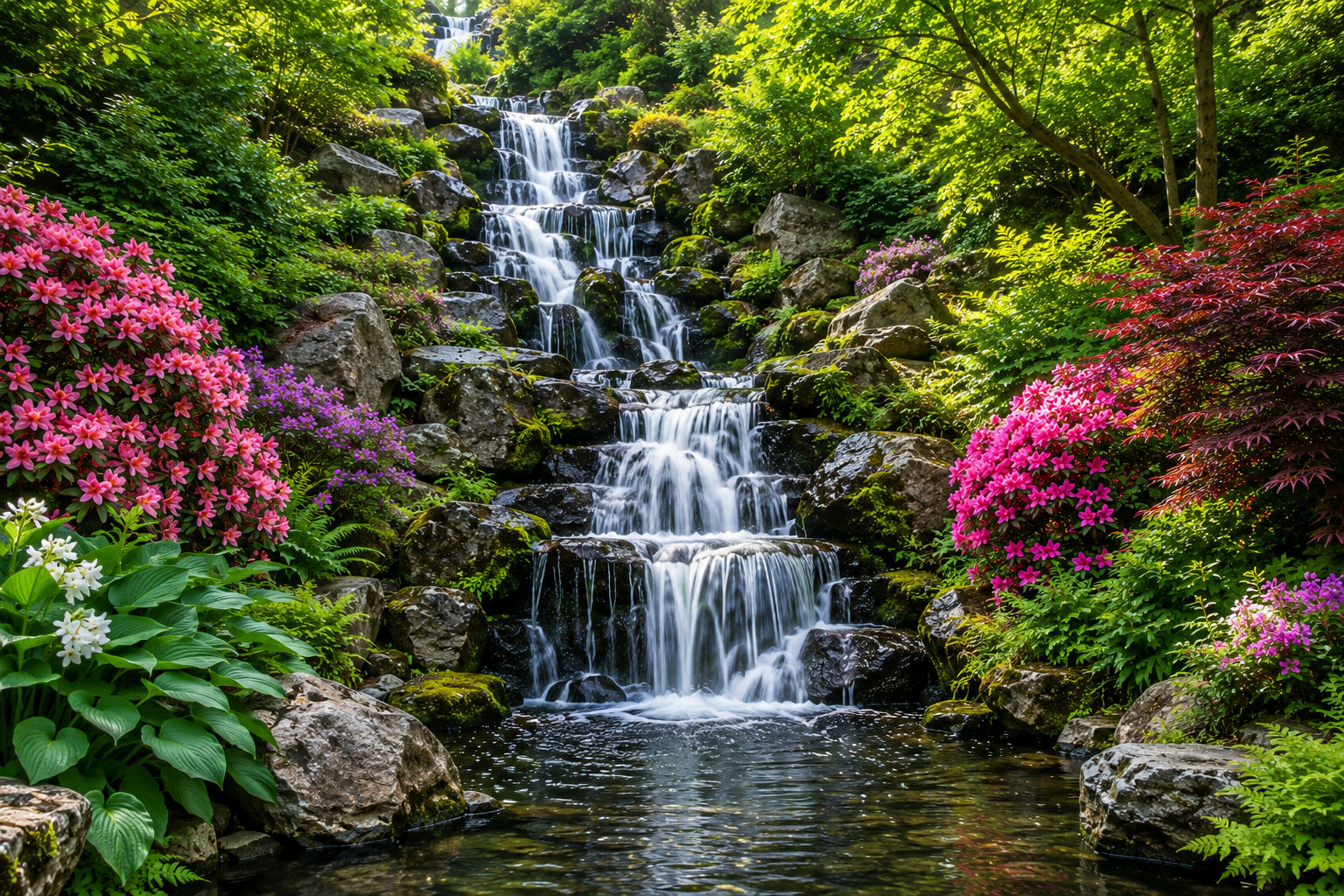
Garden waterfalls and small water features can be exceptional subjects for photography. A backyard water feature surrounded by flowers, stones, and greenery that also create nonviolent blog images and social media visuals.
A small natural stone waterfall in a garden looks best during soft morning light or after light rain. Wet leaves and rocks often appear comfortable in color, and the water surface may reflect nearby plants gorgeously.
For gardening photography, include flowers,big grass, stepping stones, wooden bench, or small bridges. These facts make the scene feel welcoming and help readers imagine a peaceful garden space at home.
Practical Photography Examples
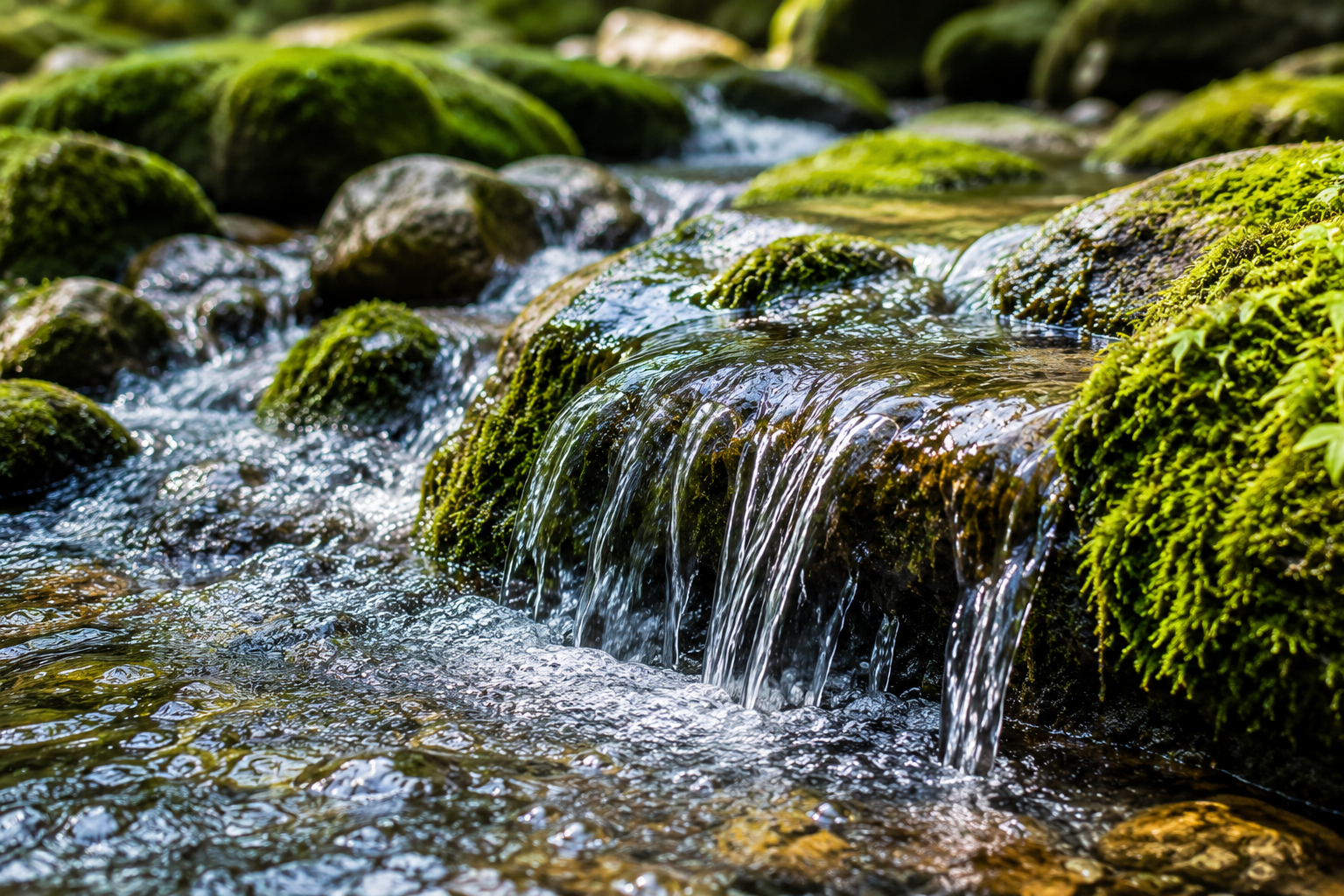
Capture a close-up of water flowing over mossy rocks. This shows texture and movement. Photograph the pool below the waterfall to capture reflections and calm water.
For a peaceful blog image, include green plants around the water. For a stronger nature feeling, use rocks and wild leaves in the foreground. Stone waterfalls look more attractive when combined with natural mountain landscaping ideas in outdoor spaces. For wallpaper-style photos, keep the image simple and leave enough empty space around the main subject.
Lighting and Editing Tips
Soft light naturally gives the best waterfall results. Strict light mostly creates bright white areas in the water and dark shadows on rocks. Golden hour adds warmness, while blue hour creates a cooler and quieter mood.
Editing should improve photo without making it look fake. Adjusting brightness, contrast, highlights, and shadows lightly. Avoid too much saturation because over-edited greens and blues can make a nature photo look non-natural.
Common Mistakes to Avoid
One common mistake is over-editing. Too much contrast, sharpness, or color can make a natural scene look idealistic.
Another mistake is ignoring the background. Also check for diverting branches, bright patches, people, or unwanted objects before taking the photo.
Many beginners forget to clean the camera and lens. Water film can create blurry spots, especially near waterfalls. Also, avoid unsafe spots because rocks near waterfalls mostly slick.
Frequently Asked Questions:
1. What change makes waterfall photography best for beginners?
Waterfall photography is beginner-friendly because the subject is naturally attractive to look and easy to casing. Moving water, rocks,natural plants, and reflections can create power visuals without problematical setup. With soft light, a steady camera, and simple composition, beginners can capture beautiful nature photos that looks professional.
2. Which camera setting is best for smooth waterfall water?
For smooth waterfall water, use a slow shutter speed between 1/4 second and 2 seconds. A tripod is important because slow shutter speeds also cause camera wobble. Keep ISO low and use f/8 to f/11 for sharp landscape details.
3. Can I take waterfall photos from mobile phone?
Yes, you can take good waterfall photos using mobile phone. Clean the lens, tap to focus on the waterfall, and keep your phone steady. Use long coverage or night mode if available, especially in low light or covered garden areas.
4. Which light is best for waterfall images?
Soft light is best for waterfall images. Early morning, late afternoon, and cloudy weather help reduce severe shadows and bright highlights. This makes the water, rocks, and plants look stable. Strong midday sun can make the water too bright and reduce natural detail.
5. How can I safely use waterfall images on my blog?
Use your own photos, licensed stock images, or properly generated photographs. Add original & natural captions, helpful content, descriptive alt text, and original image file names. Avoid copying photos from other websites without permission, as this can create copyright and blog quality issues.
Conclusion
Waterfalls are looking pacific, attractive, and useful subjects for nature photography.
Also With soft light, simple camera settings, and attentive structure, you can create strong Natural images for your blog.
Use original photographs, helpful writing, and clean SEO practices to make your WordPress post more valuable for readers.